Solutions
Banka +
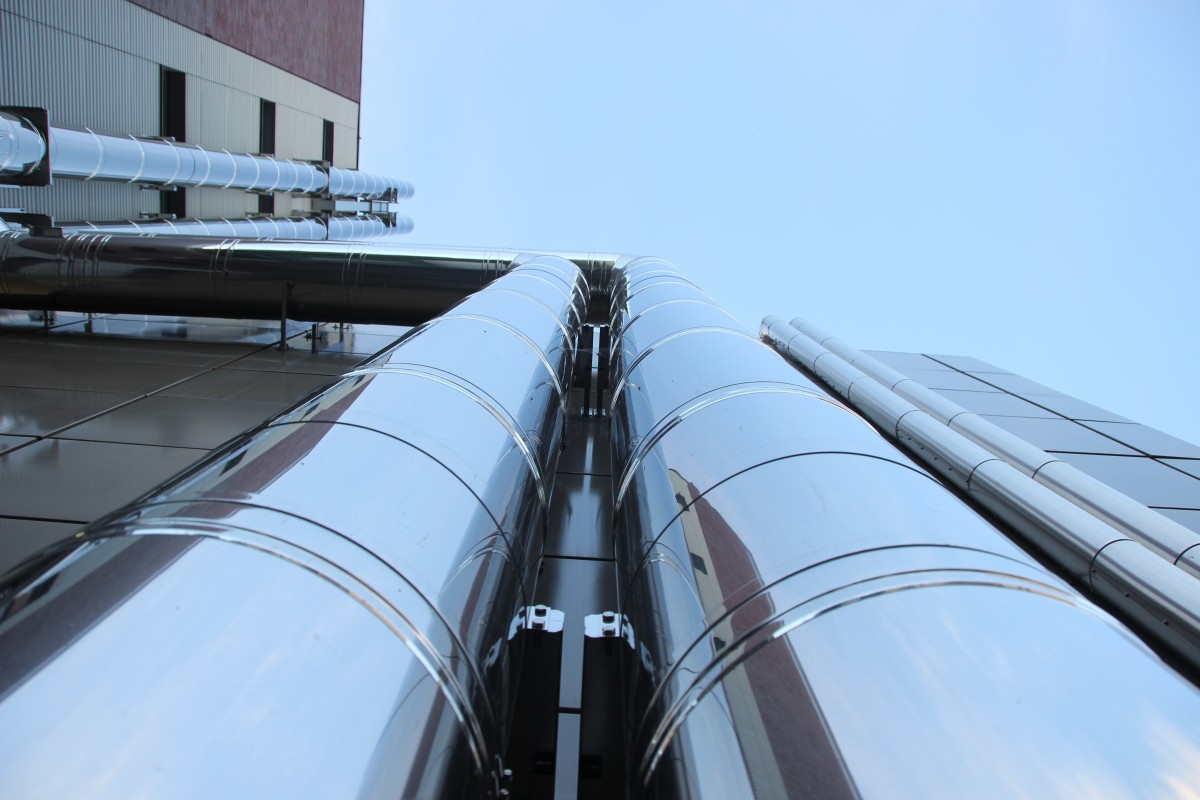
Proper maintenance extends the lifespan of the chimney system and ensures safe operation.
Regular and appropriate inspection of stainless steel pipes and accessories made from AISI 304 and AISI 316L is essential to guarantee the safety, performance, and durability of the chimney system, helping to prevent issues such as corrosion, blockages, and loss of efficiency over time.
Here are our recommendations:
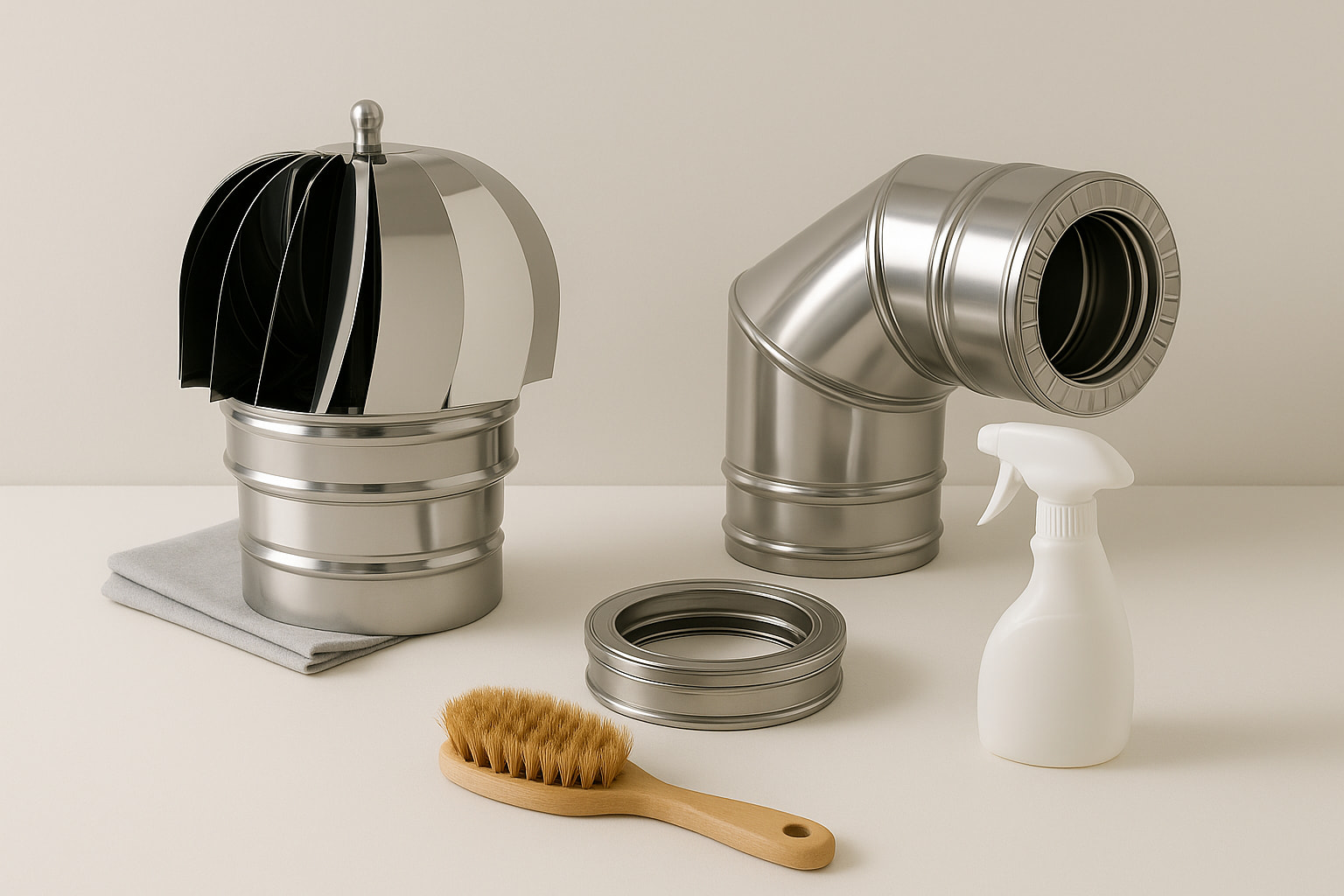
A professional cleaning is recommended at least once a year, especially if you use firewood or pellets.
Doing it yourself? Use appropriate metal brushes and avoid harsh chemical products.
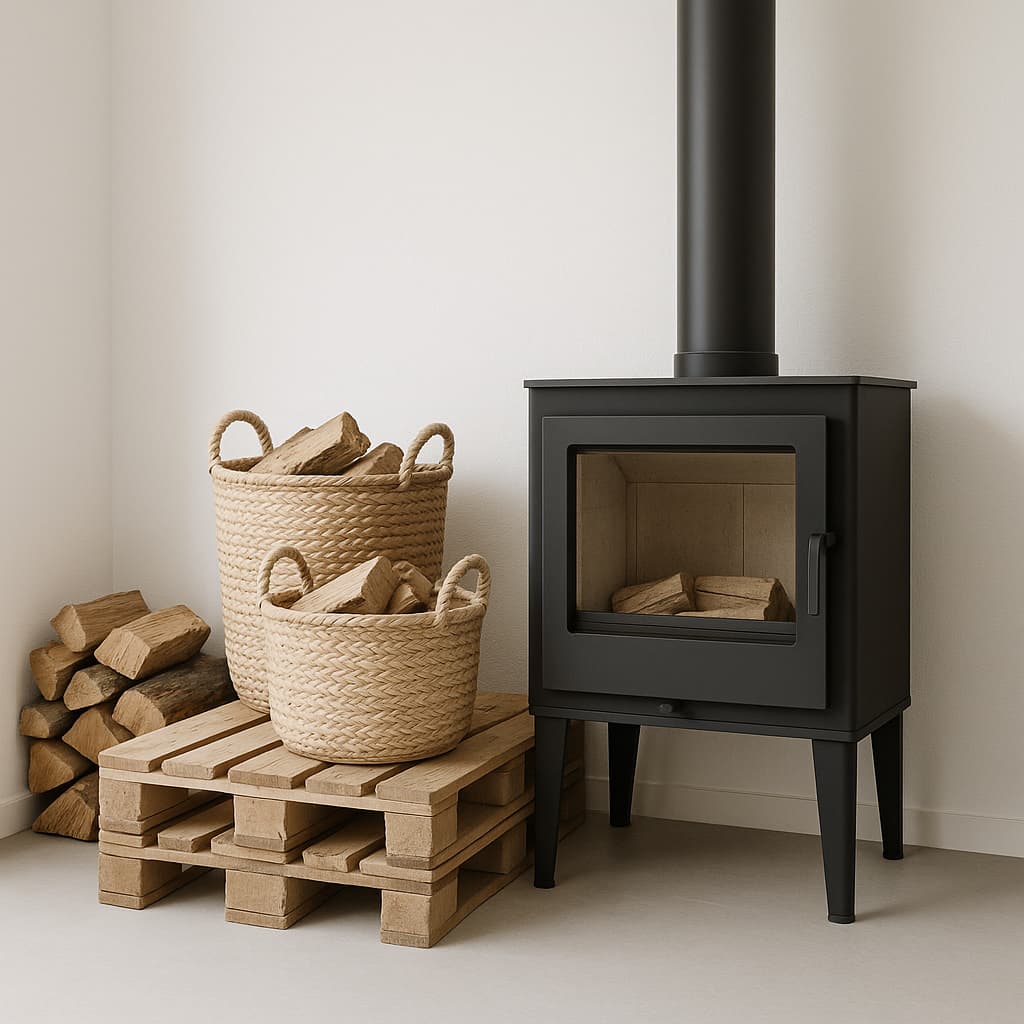
Only use the type of fuel your system is designed for — whether it’s firewood, pellets, gas, or oil.
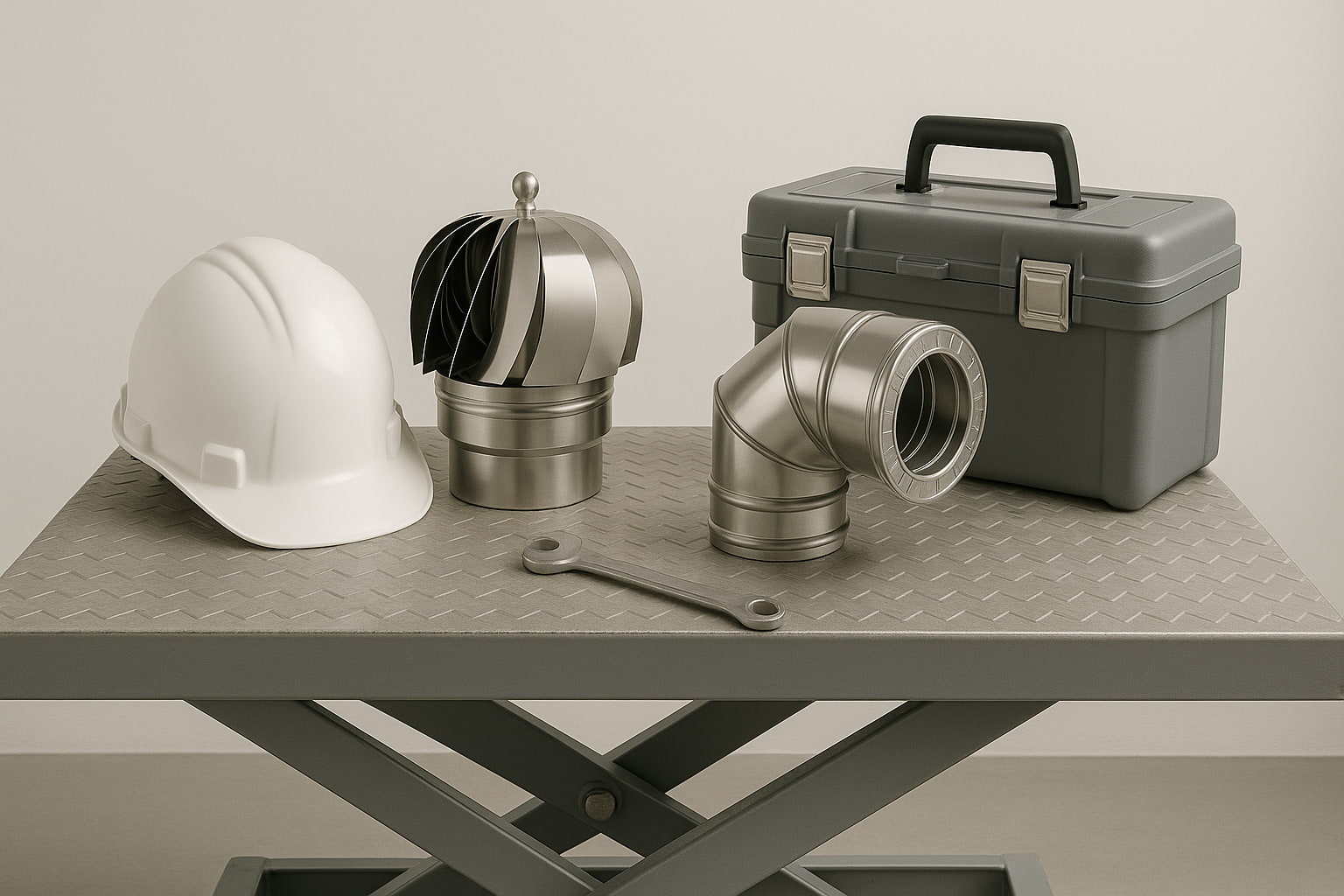
Check the chimney twice a year — before and after the usage season. Look for signs of:
Corrosion
Creosote or soot buildup
Loose or worn parts
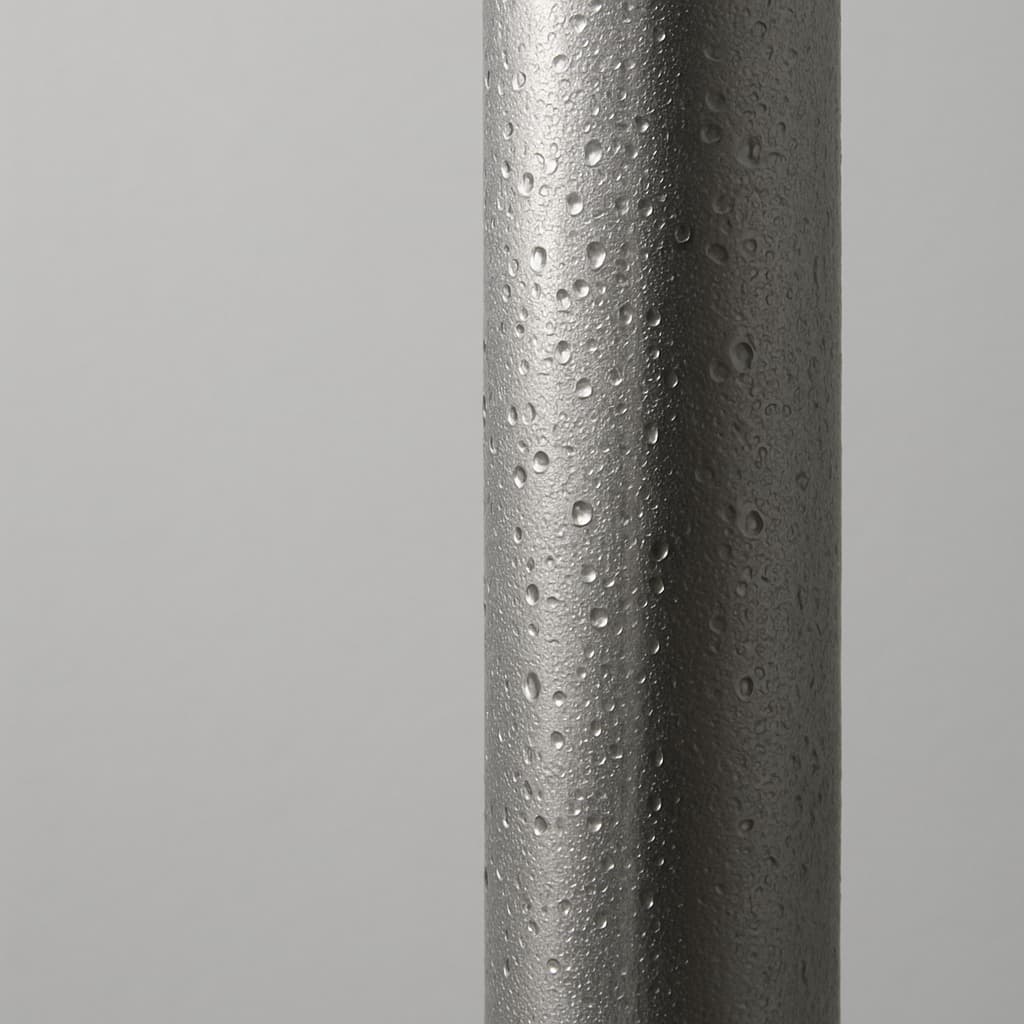
Condensation can cause corrosion. AISI 316L offers better resistance to moisture, but always ensure proper insulation and ventilation.
Frequently Asked Questions (FAQ)
1. Why should I choose stainless steel chimney pipes over other materials?
Stainless steel pipes are the most durable and safest option for smoke evacuation systems. They offer high resistance to corrosion, heat, and condensation, and are easy to install and maintain. They are ideal for wood, pellet, gas, or oil systems.
2. What accessories are essential for a safe stainless steel chimney installation?
Essential accessories include: elbows (15º to 90º), rain caps, wall brackets, sealing collars, inspection tees, reducers/adapters, and thermal insulation when necessary. These ensure safety, tightness, and good smoke circulation.
3. How often should I maintain my stainless steel chimney system?
It is recommended to inspect and clean the system at least once a year, especially before the peak usage season. For wood or pellet systems, maintenance may be needed more frequently depending on usage and fuel type.
4. Is it possible to connect different pipe diameters in one installation?
Yes, it is possible using stainless steel adapters or reducers, designed to connect pipes of different sizes. It is essential to ensure a secure and tight connection to avoid smoke leaks.
5. Is insulation necessary for stainless steel pipes?
It depends on the installation. For cold areas (such as attics or outdoor sections), it is recommended to use double-wall insulated pipes to prevent condensation and improve chimney efficiency. For indoor use, single-wall pipes may be sufficient.
6. Do you sell ready-to-install stainless steel chimney kits?
We do not sell chimney kits as such. However, INAREL offers all the necessary accessories for a proper and safe installation: pipes, elbows, brackets, caps, fasteners, and connection fittings. Ideal for residential or professional installations, with fast delivery.
7. What is the difference between AISI 304 and AISI 316L stainless steel, and which should I choose for my chimney?
AISI 304 stainless steel is suitable for indoor or dry environments, offering corrosion resistance and excellent performance at high temperatures. AISI 316L, which contains molybdenum, provides higher corrosion resistance in aggressive environments such as coastal areas, humid places, or locations with constant condensation.
Recommendation:
Use AISI 304 in indoor or protected environments.
Choose AISI 316L for outdoor, humid, or coastal areas.
Both ensure durability, safety, and efficiency in smoke evacuation systems.
Stainless Steel Chimney Pipes – AISI 304 and AISI 316
When durability meets performance, the result is high-quality stainless steel chimney pipes, made from AISI 304 and AISI 316. These materials are ideal for residential or industrial chimney systems, offering resistance to corrosion, high temperatures, and long-term wear.
AISI 304 – Reliable and Versatile
AISI 304 stainless steel is the ideal choice for indoor installations or environments with low to moderate corrosion exposure. It provides excellent thermal performance and a sleek finish, making it perfect for stoves, heat recovery systems, and pellet-burning systems.
Advantages:
Excellent corrosion resistance in dry environments
Easy to weld and install
High temperature resistant
Cost-effective solution
AISI 316 – Reinforced for Demanding Environments
For coastal or humid environments, AISI 316 stainless steel is the most suitable choice. It contains molybdenum, which significantly increases resistance to acids and chlorides.
Ideal for:
Outdoor or exposed installations
Condensing boilers or moisture-prone systems
Marine or industrial areas
